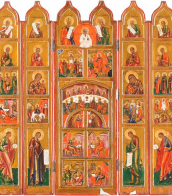
18th ave
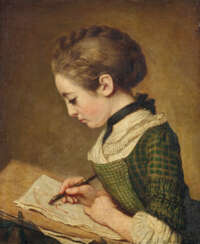

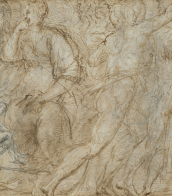


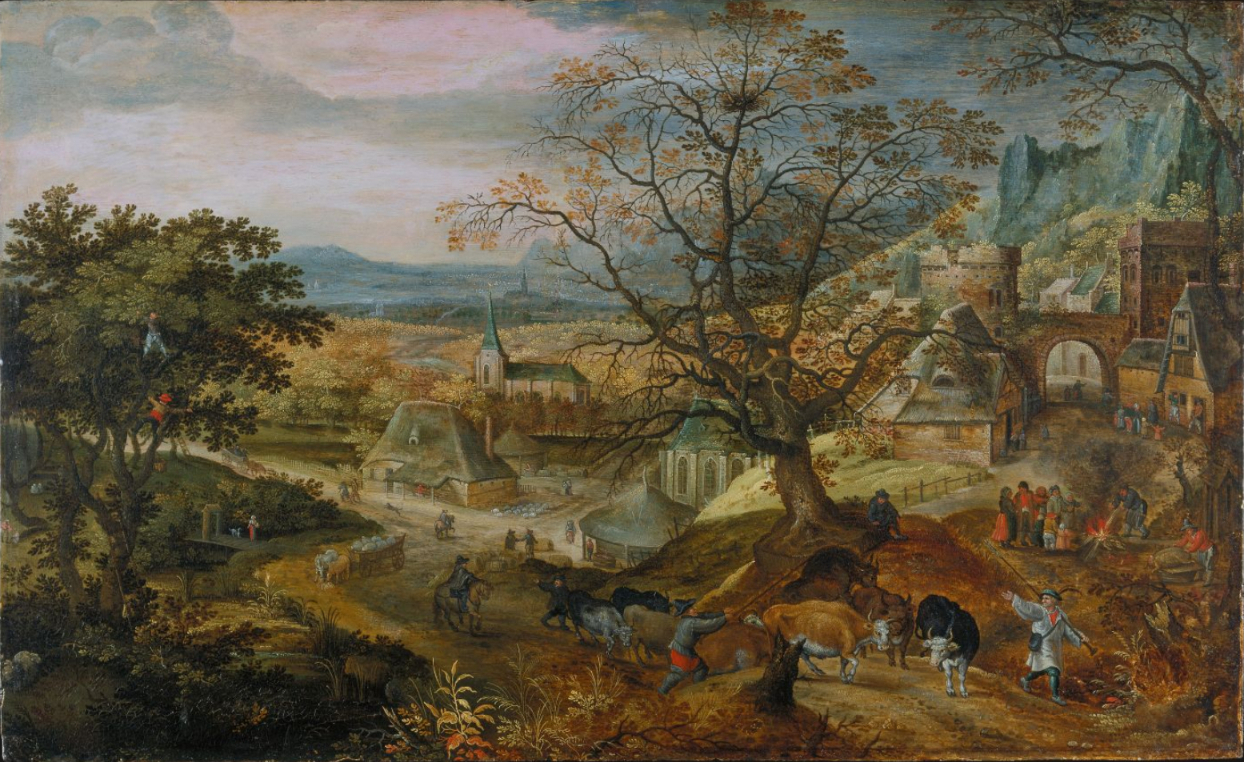
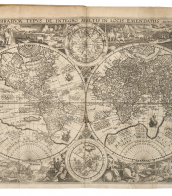
Jacob Savery the Elder was a Flemish painter, etcher and draughtsman. He was trained in Antwerp and later moved to the Dutch Republic after 1584. He specialised in still lifes, animals, landscapes en genre paintings.
Jacob’s earliest known works of 1584-86 are mostly cabinet-size landscapes that clearly show the influence of his master Hans Bol.
In Amsterdam Jacob was active as painter, etcher and draftsman. He produced a series of etchings in Pieter Bruegel the Elder's stipple technique depicting idealized rural scenes full of picturesque details, such as castle ruins and rabbit hunts.



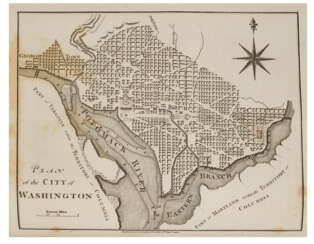

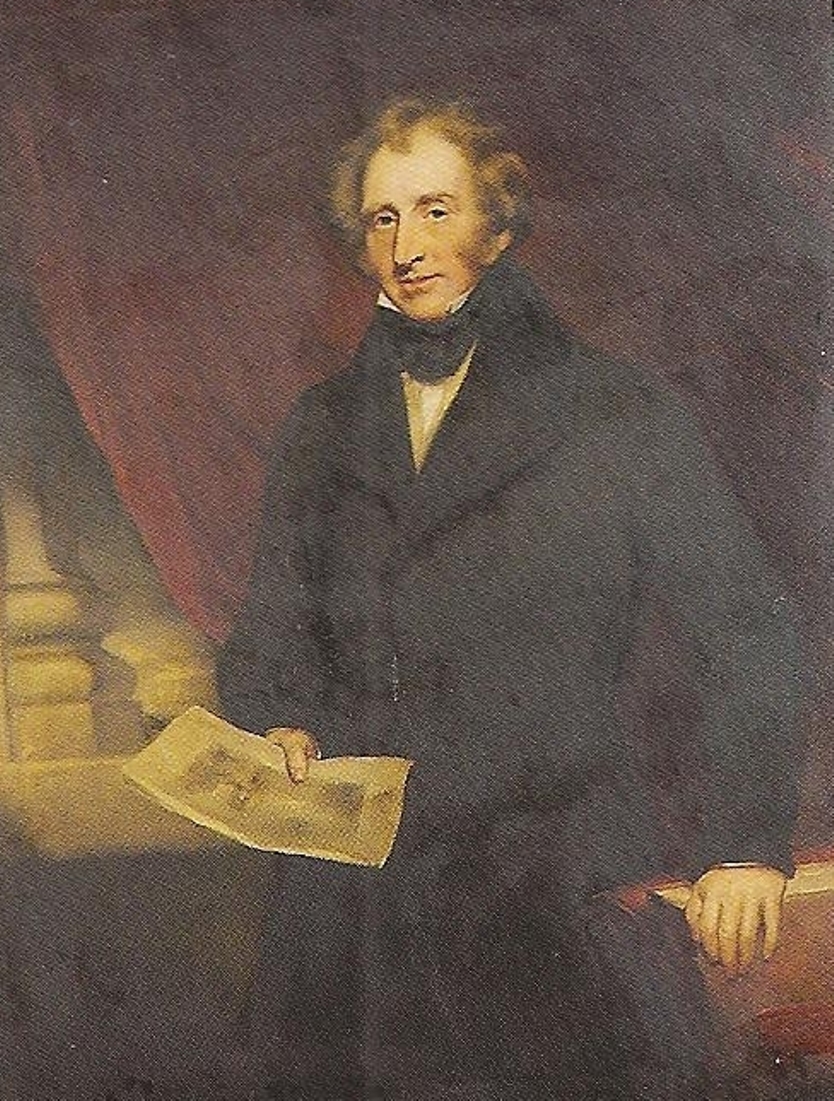
Isaac Weld was an Irish explorer, writer, and artist.
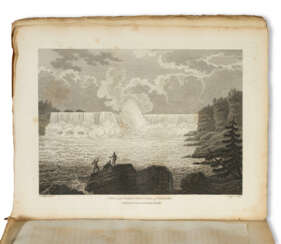
After completing his studies, Isaac Weld traveled to the new lands of America in 1795, meeting Thomas Jefferson and George Washington. The purpose of his journey was to learn of opportunities for Irish resettlement. Returning in 1797, Weld soon published his book, A Journey through the States of North America and the Provinces of Upper and Lower Canada. In general, Weld did not like the United States; he particularly noted the practice of slavery and the treatment of Native peoples by the rude new Americans. But he liked Canada and Quebec: he praised the views from the Citadel and reported that because of the low cost of land, a middle-income person could easily settle in the country for himself and his family.
This book by Weld was quite popular: it went through several editions from its first publication in 1799 to 1807. By 1820, it had also been translated into French, German, Italian, and Dutch.
In 1800 Weld was elected a member of the Royal Society of Dublin. In 1811 and 1812 he served on the library committee, and on December 4, 1828, he was elected honorary secretary. His first act in this capacity was to establish an annual exhibition of specimens of the manufactures and products of Ireland. Isaac Weld published several other books on Ireland and Great Britain, illustrated with his own drawings. Of these, his Statistical Survey of the County of Roscommon, over seven hundred pages long, published by the Royal Dublin Society in 1832, stands out.


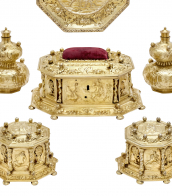
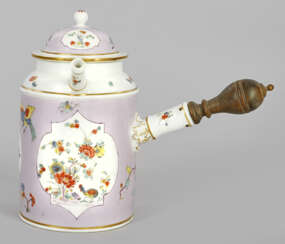






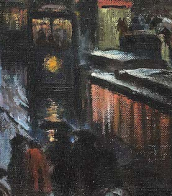
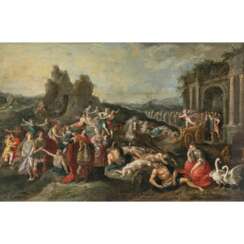

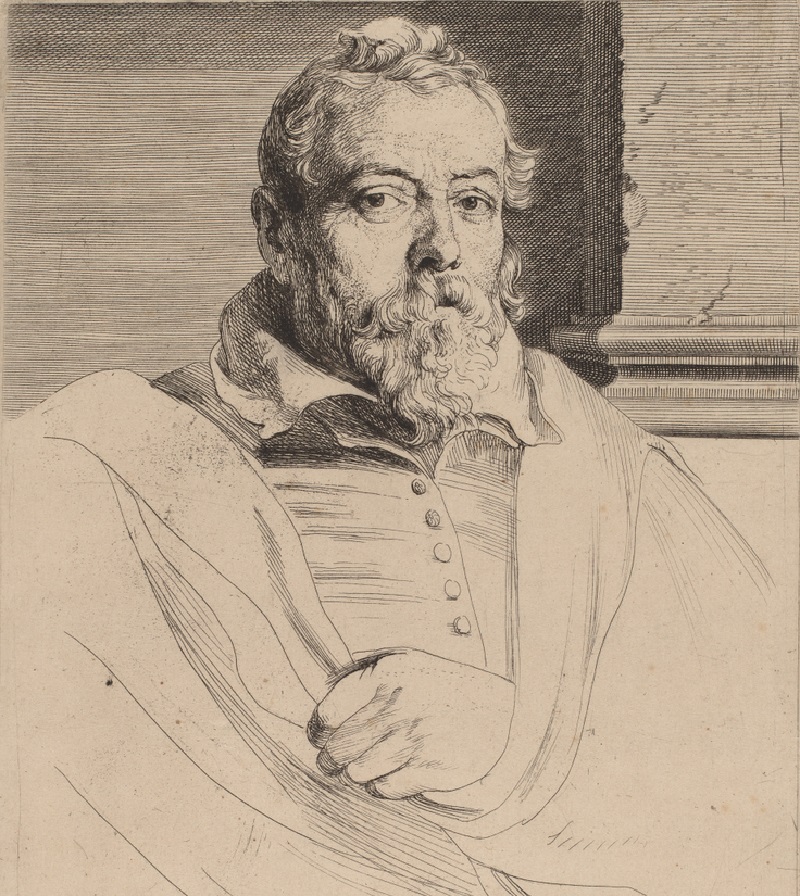
Frans Francken the Younger was a distinguished Flemish painter of the Baroque period, celebrated for his versatility and innovation in the art scene of the early 17th century. Born in 1581 in Antwerp, where he also died in 1642, Francken hailed from the prolific Francken family of artists, establishing himself as the most prominent among them. His contribution to Flemish art includes a wide array of subjects, spanning large altarpieces for churches to intricate cabinet pictures featuring historical, mythological, or allegorical themes.
Francken's work is particularly noted for his creation of collectors' cabinet paintings, a genre that depicted the interiors of collectors filled with art, curiosities, and natural specimens, embodying the era's intellectual pursuits and the burgeoning culture of connoisseurship. Moreover, Francken was instrumental in the development of singeries, humorous paintings featuring monkeys engaging in human activities, critiquing the follies of mankind through satire. His collaborative efforts with other artists enriched his work, allowing him to incorporate figures and narrative depth into various compositions, seamlessly blending his expertise with the landscapes, architectural settings, and still lifes created by his contemporaries.
Francken's artistic legacy is marked by his successful workshop, his role as a master in the Antwerp Saint Luke's Guild, and his significant influence on the development of new subject matter and genres within Flemish painting. His works, such as "Mankind's Eternal Dilemma: The Choice Between Virtue and Vice," remain celebrated for their detailed craftsmanship and symbolic richness, housed in prestigious museums including the Museum of Fine Arts, Boston.
For collectors and art history aficionados, Francken's oeuvre offers a rich tapestry of Baroque artistry, reflecting the dynamism of 17th-century Flemish culture and the depth of humanistic and religious themes explored during the period.
To delve deeper into the world of Frans Francken the Younger and to stay updated on new discoveries, sales, and auction events related to his works, consider signing up for specialized updates. This subscription is tailored for enthusiasts eager to explore the intersections of art, history, and culture, promising insightful content on one of Flemish art's most influential figures.
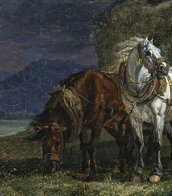




Isaac Weld was an Irish explorer, writer, and artist.
After completing his studies, Isaac Weld traveled to the new lands of America in 1795, meeting Thomas Jefferson and George Washington. The purpose of his journey was to learn of opportunities for Irish resettlement. Returning in 1797, Weld soon published his book, A Journey through the States of North America and the Provinces of Upper and Lower Canada. In general, Weld did not like the United States; he particularly noted the practice of slavery and the treatment of Native peoples by the rude new Americans. But he liked Canada and Quebec: he praised the views from the Citadel and reported that because of the low cost of land, a middle-income person could easily settle in the country for himself and his family.
This book by Weld was quite popular: it went through several editions from its first publication in 1799 to 1807. By 1820, it had also been translated into French, German, Italian, and Dutch.
In 1800 Weld was elected a member of the Royal Society of Dublin. In 1811 and 1812 he served on the library committee, and on December 4, 1828, he was elected honorary secretary. His first act in this capacity was to establish an annual exhibition of specimens of the manufactures and products of Ireland. Isaac Weld published several other books on Ireland and Great Britain, illustrated with his own drawings. Of these, his Statistical Survey of the County of Roscommon, over seven hundred pages long, published by the Royal Dublin Society in 1832, stands out.







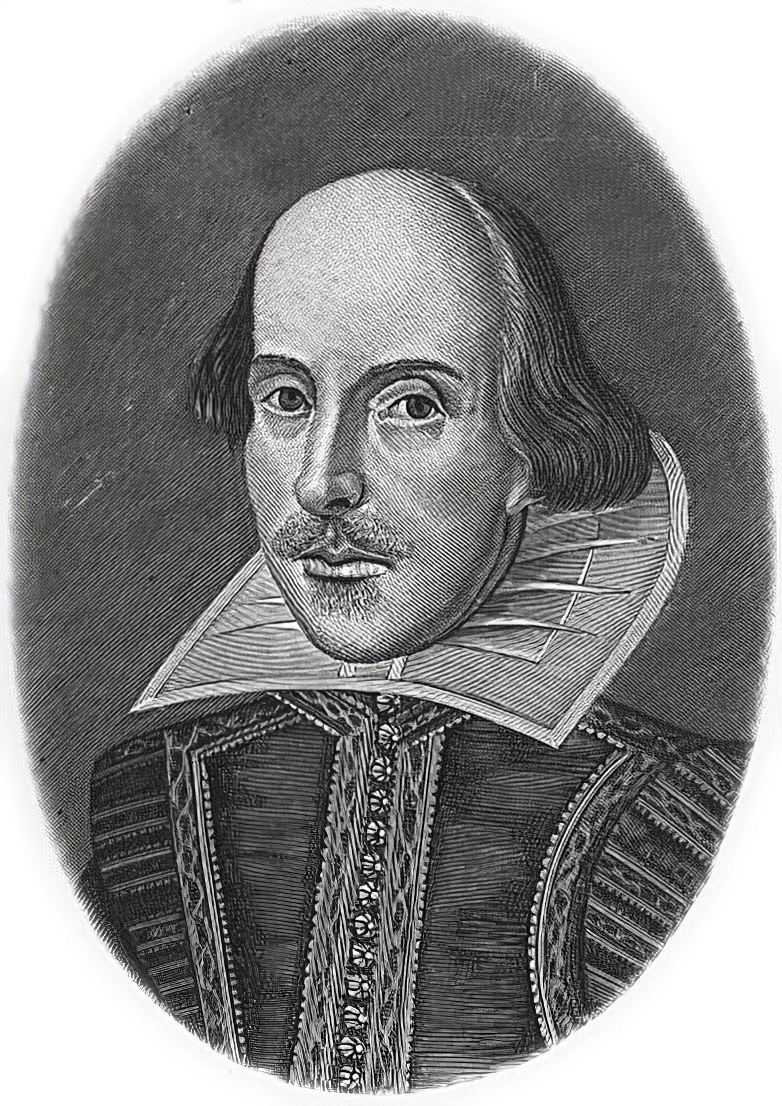
William Shakespeare was a British poet and playwright and writer.
William's father, John Shakespeare, was a merchant and official in Stratford. There are reports that he was a sailor for a time before joining a theater company in London. Beginning in the 1590s, Shakespeare began writing plays, and in 1593 he published a poem, Venus and Adonis, which became popular. He dedicated it to the Duke of Southampton, who was a philanthropist and patron of talent, and soon his business was booming.
From 1592 to 1600 Shakespeare wrote his dramas and romantic comedies "Richard III", "The Taming of the Shrew", "Romeo and Juliet", "A Midsummer Night's Dream" and "The Merchant of Venice", as well as the comedies "Much Ado About Nothing", "Twelfth Night" and the tragedy "Julius Caesar". The playwright's business was so successful that he even bought a large house in Stratford. In 1599, Shakespeare became one of the owners, playwright and actor of the new theater "Globe". In 1603 King James took Shakespeare's troupe under his direct patronage. In the mature period, the great playwright turned to tragedies, there were "Hamlet", "Othello", "King Lear", "Macbeth" and others.
Although in the 19th century researchers had some doubts about the authorship of many of these works, William Shakespeare is considered the greatest English playwright, one of the best playwrights in the world. His plays have been translated into all major languages and to this day form the basis of the world theatrical repertoire, most of them have been screened many times. According to the Guinness Book of Records, Shakespeare remains the world's best-selling playwright, and his plays and poems have sold more than 4 billion copies in the nearly 400 years since his death.